Insights from the British Society for Research on Ageing (BSRA) 75th Annual Scientific Meeting (ASM)
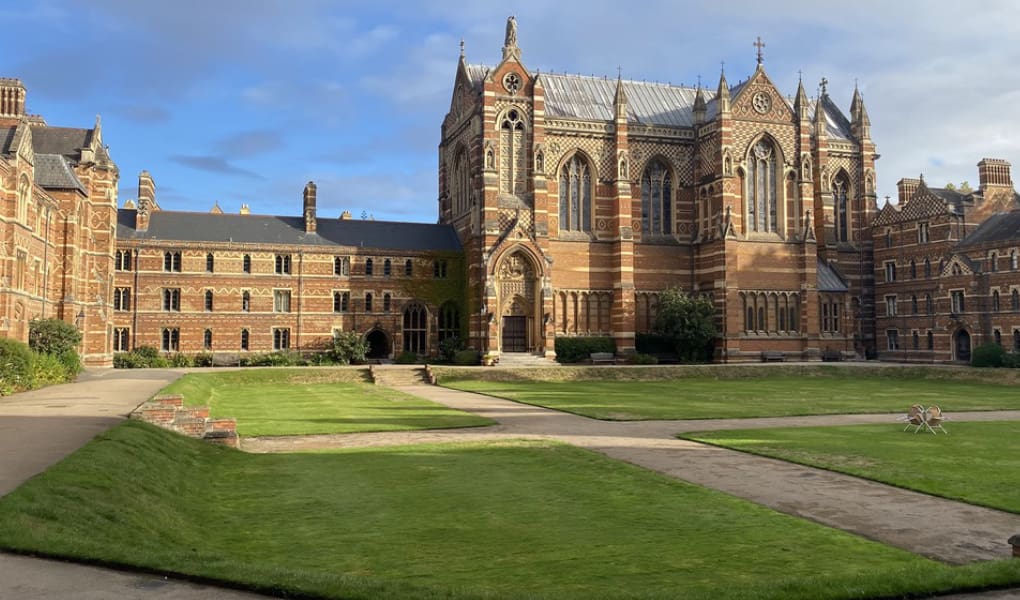
The 75th Annual Scientific meeting was hosted by Keble College, at Oxford University.
Celebrating 75 Years of Advancing Ageing Research
On 9–11th September 2026, Dr Sophia Quigley, Life Sciences Communications and Project Manager at Arttia Creative, attended the British Society for Research on Ageing (BSRA) 75th Annual Scientific Meeting (ASM) at Keble College, University of Oxford.
The 75th ASM brought together experts from across the ageing research community to explore the latest advancements in the field, from investigating the molecular and cellular mechanisms of ageing and testing potential interventions to slow ageing, to understanding the societal impact of our globally ageing population.
This year Arttia Creative was proud to attend not only as a delegate but as a sponsor of the event. Sponsoring the Annual Scientific Meeting of the BSRA was an opportunity to support an important field of research, aiming to contribute knowledge as to why we age, how we age and investigate interventions to help us live healthier for longer.
What is the BSRA?
The British Society for Research on Ageing, BSRA, was initially a ‘Club for Research on Ageing’ and has now grown into a scientific society and a registered charity, dedicated to promoting and funding researching into the biology of ageing.
By supporting and funding research, the BSRA’s mission is to help people slow biological ageing, remain disease-free, and live healthier lives. The society brings together the scientific community and members of the public to raise awareness of research on the biology of ageing and showcase the latest advancements, via their Annual Scientific Meetings and public Academic Seminar Series.
This year, the society celebrated their 75th Annual Scientific Meeting. Taking a moment to reflect on this, it is remarkable to think that over 75 years ago, a dedicated group of researchers recognised the value of studying ageing.
They were likely asking questions such as:
- What is ageing?
- Why do we age?
- How do we age?
Fast forward today, the field is progressing, as is public interest. We are still asking these fundamental questions but now with greater knowledge and insight. Advanced tools and new technologies are allowing researchers to delve deeper into the molecular and cellular drivers of the ageing process.
This leads us to ask more questions:
- Can we slow down ageing?
- How can we intervene to support healthy ageing?
This 75-year milestone was celebrated during the Chair’s Reception in the impressive Dining Hall at Keble College, bringing delegates together at the end of the first day to recognise the history of the society and propose the question:
Where will the field be another 75 years from now?
The Value of Ageing Research
A running theme throughout the conference was our globally ageing population.
Our lifespans are increasing, but critically our healthspans (the proportion of life spent in a disease-free state) are not increasing at the same rate. This means that we are not necessarily living our additional years in good health.
With age, multimorbidity is common. It is increasingly common for people to live with more than one age-related disease, with these conditions often treated separately. This leads to polypharmacy, where multiple medications are taken simultaneously, and can potentially lead to interaction complications.
There are huge implications of an ageing population on a societal level. These range from the impact on healthcare systems to the workplace, particularly as retirement age rises.
Advancing our knowledge on the ageing process creates opportunities for the development of potential interventions, such as lifestyle, dietary or pharmaceutical to help individuals and populations achieve healthier ageing.
The requirement for an interdisciplinary approach to address these challenges was acknowledgment throughout the conference.
The goal of ageing research is understanding the underlying causes of the ageing process, and how these may drive the manifestation of age-related diseases. These shared mechanisms and hallmarks of ageing provide potential opportunities to target and intervene earlier, before these age-related diseases manifest.
What are these underlying pathways to target?
How can we remain healthier for longer?
Key Scientific Themes of the 75th ASM
Across three days, the programme explored ageing from the molecular and cellular level to deepen our understanding of the mechanisms of ageing and age-related diseases, through to the wider implications of population ageing.
One of the main questions being explored was:
How can we use and advance our knowledge of the biology of ageing to address the fact that we are living longer but not healthier?
An overview of some of the topics covered across the comprehensive programme included:
- Population ageing – lifespans are increasing but our healthspans are not, and what this means for societies
- Hallmarks of ageing – a framework to aid understanding of what may drive the ageing process on a molecular and cellular level
- How to measure ageing – biomarkers, biological age, biological and epigenetic clocks
- How to study ageing – models of ageing
- Testing potential interventions for healthy ageing
- Epigenetic changes with age – the environmental impact on our cells with age
- Translatability of ageing research
- Preventative measures, and preventative medicine
- Sex differences in ageing
- Reproductive ageing
- Using AI to speed up drug discovery in ageing
- Evolutionary theories of ageing
A Multidisciplinary Approach to Research Ageing
Given the nature of ageing being complex, heterogenous and multifactorial, the conference covered a wide range of topics. The importance of interdisciplinary collaboration was highlighted throughout the conference.
Academic and industry experts from multiple disciplines and from around the world communicated their research findings and shared their insights through presentations, scientific poster sessions, and panel discussions.
The shared passion and drive to contribute meaningfully to the field of ageing, in many ways, on many levels and from multiple perspectives, really shone through. It was a good reminder that addressing the challenges associated with ageing will require collaboration across disciplines, bringing together different perspectives, expertise and approaches.
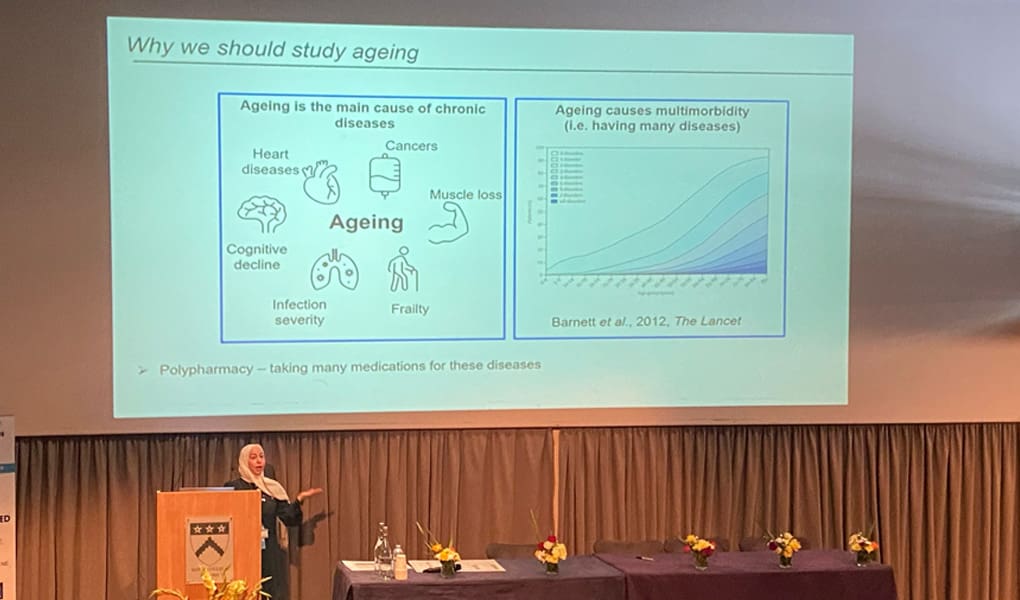
Ghada Alsaleh Associate Professor at University of Oxford.
Translating Ageing Research into Meaningful Communication
For Arttia Creative, attending the conference allowed us to stay up to date with the latest advancements in the science, but also to understand the key challenges in this field and what the likely plans are for the future.
As a specialist life sciences design and digital marketing agency, Arttia Creative works at the intersection of science, communication and creativity.
Research needs to be communicated clearly and accurately to different audiences. Whether that means researchers from another discipline, investors, industry partners, policymakers, healthcare professionals or the wider public, the common challenge is communicating complex science in a meaningful way.
One thing that isn’t up for debate is how complex ageing is!
This is where specialist life sciences communication has an important role to play.
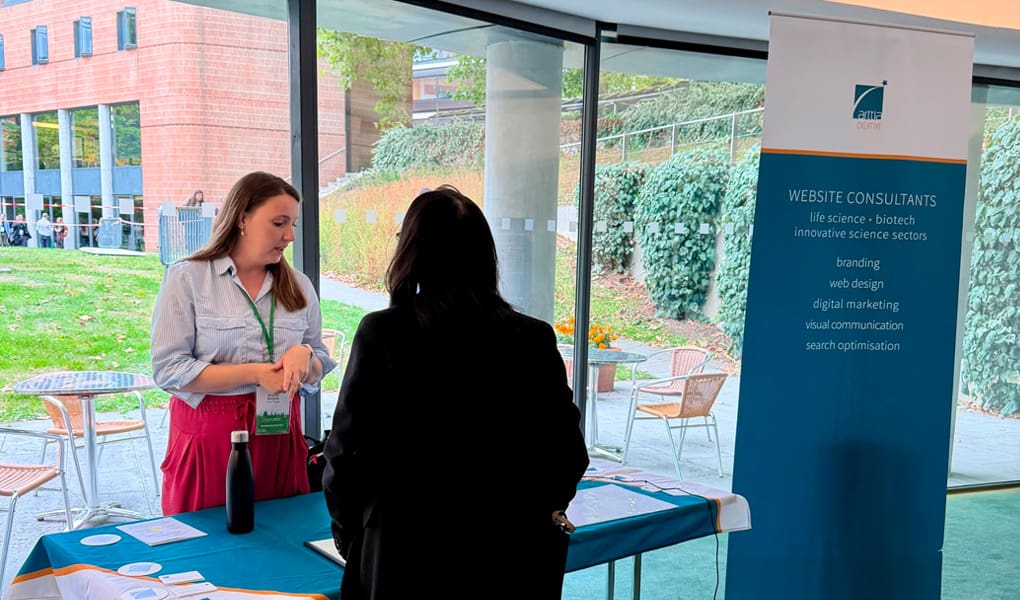
Arttia Creative Were Proud to Sponsor the BSRA’s Annual Scientific Meeting
The ageing and longevity landscape is continuing to develop rapidly, creating exciting opportunities for research, technology and therapeutic innovation.
But innovation only creates impact when people can understand its value.
Whether you are investigating the molecular pathways of ageing, developing and testing potential pharmaceutical or nutraceutical interventions, building a research network, launching a longevity business, developing technologies for ageing research, working as a CRO or CDMO in this growing field, communicating what you do clearly is essential.
The science of ageing deserves to be understood, not just by those working directly in the field, but by everyone to benefit from the progress being made.
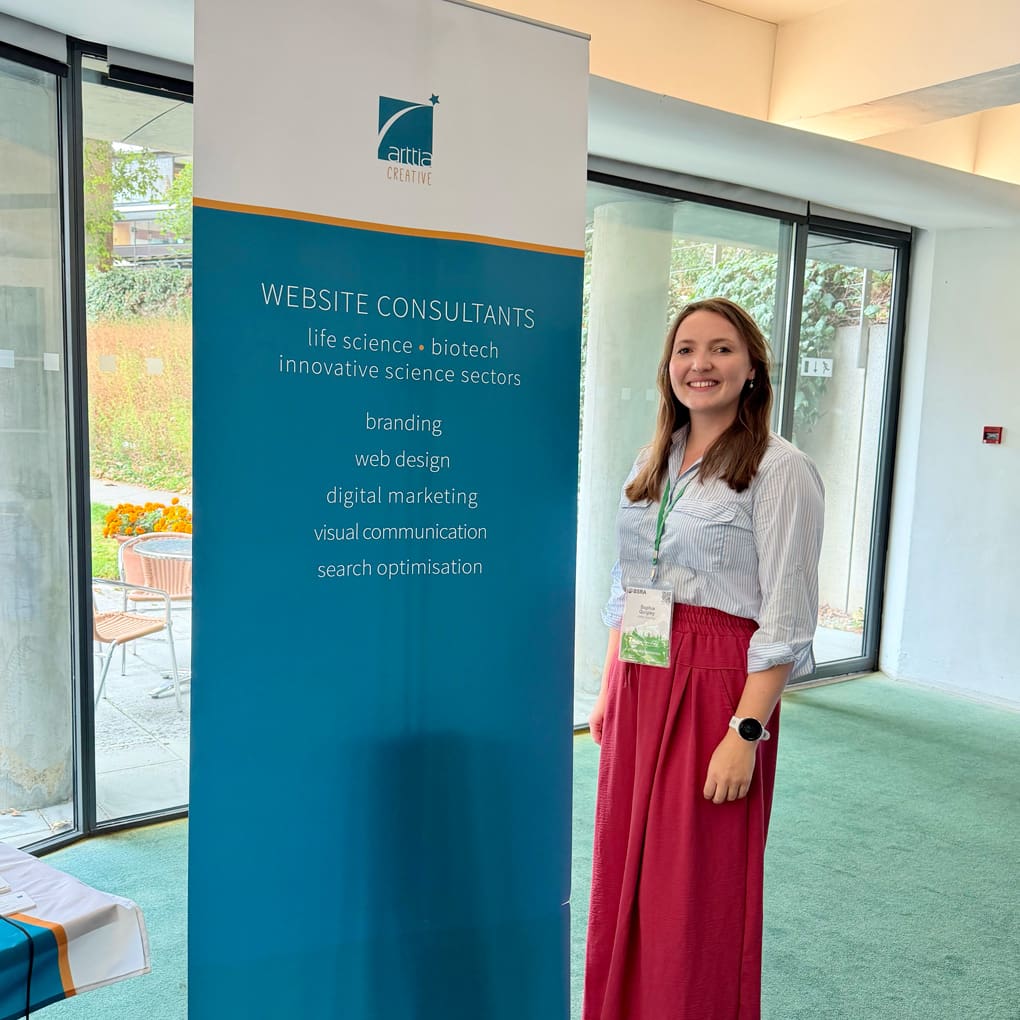
We were proud to support the BSRA's 75th Annual Scientific Meeting, and look forward to continuing to follow, and contribute to the conversations shaping the future of ageing research.
Make Your Ageing Research Understood
Progress in ageing research depends on people understanding the science and the possibilities it creates. If you are developing a therapy, advancing a research programme or bringing a longevity innovation to market, Arttia Creative can help you communicate its value clearly to the audiences that matter.
Contact Arttia Creative to discuss how specialist life sciences branding, design and digital marketing can support your next step.